
Looking After Your Family Tent
A good family tent can provide years of camping holidays if it’s looked after properly. While modern tents are designed to cope with life outdoors, a little care before, during and after each trip can make a significant difference to how long your tent lasts.
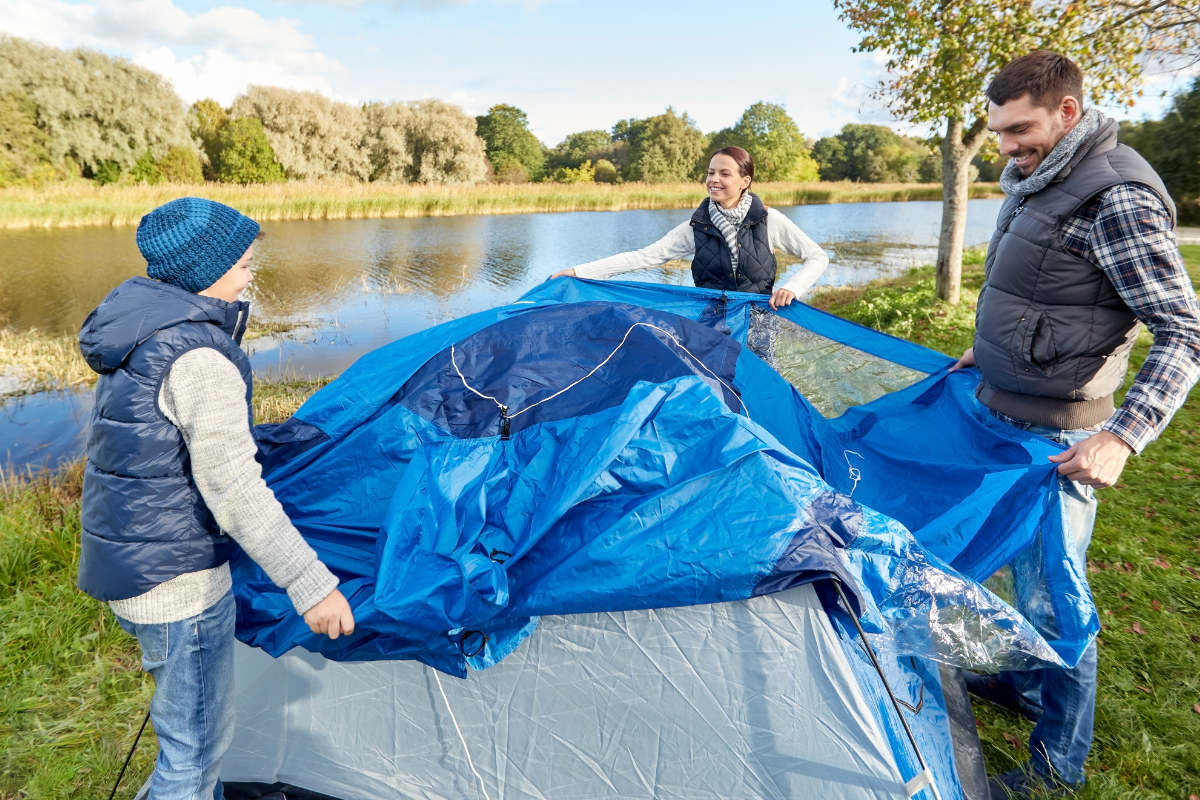
The most important things are relatively simple: keep it clean, make sure it’s completely dry before long-term storage and deal with small problems before they become bigger ones.
Here are some practical ways to keep your family tent in good condition.
Look After Your Tent While Camping
Tent care starts while you’re actually using it.
Choose your pitch carefully and remove obvious stones, sticks or anything else that could damage the groundsheet before putting the tent up.
Once pitched, make sure the tent is correctly tensioned and use the guy lines where required. A poorly pitched tent can place unnecessary strain on poles, air beams, seams and attachment points, particularly in windy weather.
During your stay, try to keep the inside reasonably clean. A simple doormat or designated area for removing footwear can help prevent mud, grass and stones being carried throughout the tent.
Keep Mud and Dirt Under Control
Family tents inevitably get dirty.
Children, wet shoes, campsite grass and British weather all contribute, but you don’t need to thoroughly wash your tent every time you use it.
During a camping trip:
- Sweep out loose dirt regularly
- Remove muddy footwear near the entrance
- Wipe away spills when they happen
- Avoid allowing food waste to accumulate
- Keep wet equipment away from sleeping areas
Small amounts of regular cleaning are much easier than dealing with a very dirty tent at the end of the holiday.
Cleaning Your Family Tent
If your tent needs cleaning after a trip, follow the manufacturer’s care instructions.
In many cases, gentle cleaning with water and a soft cloth or sponge will be enough to remove dirt.
Avoid automatically reaching for household detergents or cleaning chemicals. Some products can affect waterproof coatings or other treatments applied to tent fabrics.
Pay particular attention to:
- Mud around the lower walls
- The groundsheet
- Doorways and entrances
- Pegging points
- Muddy guy lines
- Bird droppings or tree sap
Allow cleaned areas to dry thoroughly afterwards.
Never Store Your Tent Wet
This is probably the single most important rule when looking after a family tent.
Sometimes you have no choice but to pack a tent away in the rain. That’s fine for getting home, but it shouldn’t remain packed wet.
As soon as practical, unpack it and allow it to dry completely.
Storing a damp tent can encourage:
- Mould
- Mildew
- Unpleasant smells
- Fabric deterioration
- Damage to waterproof coatings
You don’t necessarily need to completely pitch a large family tent again. Depending on the space available, you may be able to spread or hang sections somewhere dry until all the fabric, groundsheet and guy lines are completely dry.
Only repack the tent once you’re satisfied that no moisture remains.
Take Care of Poles and Air Beams
Traditional tent poles and inflatable air beams both benefit from sensible handling.
With pole tents, avoid forcing sections together or pulling poles through sleeves aggressively. When dismantling shock-corded poles, working from the middle can help reduce unnecessary tension on the elastic.
Check poles occasionally for:
- Cracks
- Bent sections
- Damaged joints
- Worn elastic
- Sharp edges that could damage fabric
For air tents, follow the manufacturer’s instructions for inflation pressures and valve maintenance.
Don’t deliberately overinflate air beams. Higher pressure doesn’t necessarily make the tent better and may place unnecessary strain on the system.
Look After Zips
Tent zips receive a lot of use on family holidays and can easily be damaged if they’re forced.
If a zip becomes difficult to operate, check whether fabric is trapped or whether tension from the way the tent is pitched is making the doorway too tight.
Avoid pulling hard on a stubborn zip.
Keeping dirt and grit away from the zip teeth can also help them operate smoothly and reduce wear over time.
Check Your Tent After Each Trip
Before storing your tent for several months, give it a quick inspection.
Look for:
- Small tears or holes
- Damaged seams
- Problems with zips
- Bent or damaged poles
- Air-beam or valve problems
- Missing pegs
- Damaged guy lines
- Worn attachment points
It’s much easier to deal with these problems at home than discover them when you’re pitching the tent at the start of your next holiday.
Small repairs made early can also prevent minor damage becoming more serious.
Store Your Tent Properly
Once completely clean and dry, keep your family tent somewhere suitable until the next trip.
Choose a location that is:
- Dry
- Protected from damp
- Away from excessive heat
- Away from direct sunlight
- Protected from rodents or other pests
A dry cupboard, garage or suitable storage area can work well depending on conditions.
Avoid leaving the tent somewhere that regularly becomes damp or experiences significant condensation.
Don’t Forget the Accessories
Your tent isn’t the only thing that needs attention after a camping trip.
Before putting everything away, check and dry:
- Footprints
- Tent carpets
- Groundsheets
- Pegs
- Guy lines
- Pumps
- Porch or extension sections
Clean mud from pegs and allow them to dry before storage.
If you use an electric pump for an air tent, check its condition and make sure everything you need is stored together ready for the next trip.
Make Repairs Before Your Next Holiday
If you’ve identified something that needs repairing, don’t leave it until the night before you go camping again.
Replacement poles, repair patches, guy lines and other tent spares may need to be ordered in advance.
It’s also worth checking your tent a few weeks before the start of the camping season if it has been stored throughout the winter.
That gives you plenty of time to sort out any problems before your first trip.
Related Guides
If you’re looking after or preparing your family tent, you may also find these guides useful:
- What Makes a Good Family Tent?
- Camping in the UK with Your Family Tent
- The Complete Family Camping Checklist
Final Thoughts
Looking after a family tent doesn’t require complicated maintenance.
Keep it reasonably clean while you’re away, treat poles, beams and zips carefully and inspect it for damage after each trip.
Above all, never leave your tent packed away wet for long periods. Drying it thoroughly before storage is one of the simplest and most important things you can do to protect it.
A little care at the end of each holiday can help ensure your family tent is ready to go when the next camping adventure comes around.