
The Complete Family Camping Checklist
Packing for a family camping trip can feel like a military operation. There’s the tent, sleeping equipment, clothing, cooking gear and all the smaller items that are surprisingly easy to forget. The key is to keep things organised and concentrate on what your family will genuinely use.
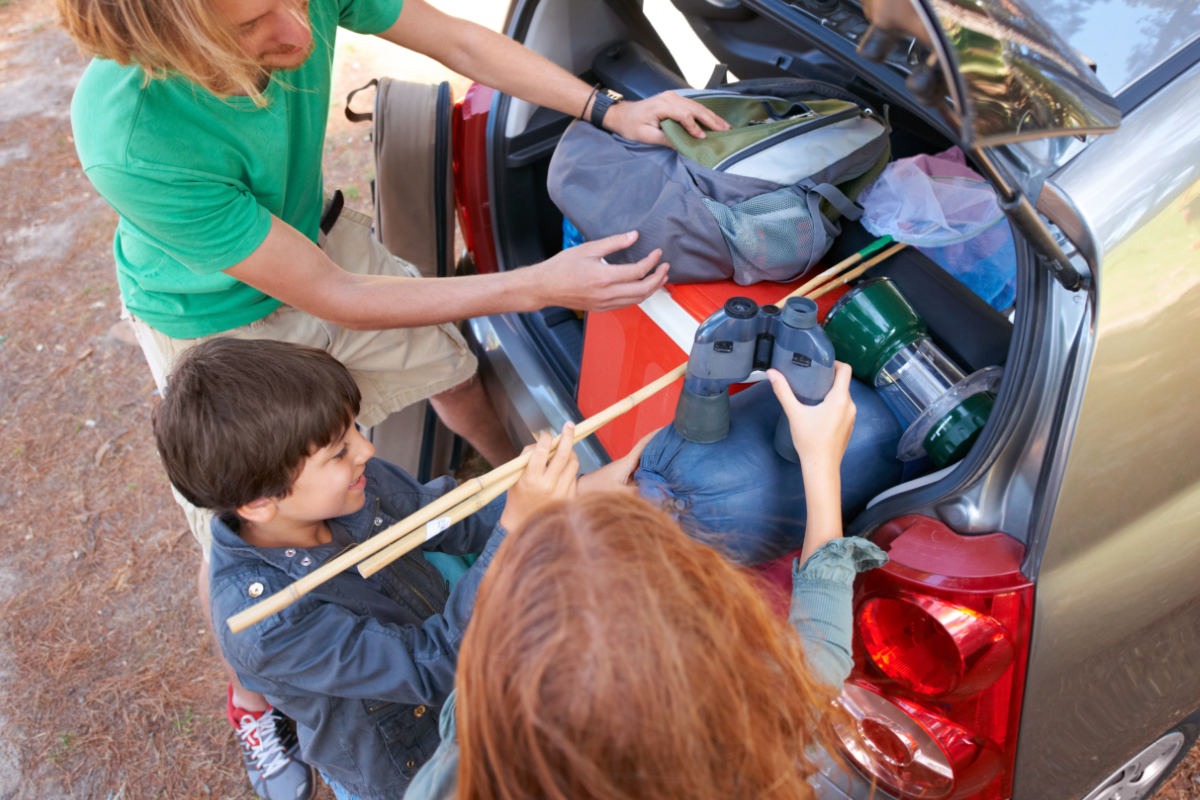
You don’t need to take everything on this checklist for every trip. A weekend away in summer will require less equipment than a two-week family holiday, while a campsite with extensive facilities may reduce the amount you need to bring.
Use this checklist as a starting point and adapt it to suit your family, campsite and the type of camping you enjoy.
Tent and Pitching Equipment
Your tent is obviously the most important item, but don’t forget everything needed to put it up properly.
Pack:
- Family tent
- Tent poles or air-beam equipment
- Tent pegs
- Guy lines
- Mallet
- Air pump if required
- Tent footprint if used
- Tent carpet if used
- Repair kit
- Spare pegs
Check that everything is in the tent bag before leaving home.
If you haven’t used the tent recently, a quick check or practice pitch can also identify missing or damaged equipment before you reach the campsite.
Sleeping Equipment
A comfortable sleeping setup can make a huge difference to a family camping holiday.
Depending on how your family prefers to sleep, pack:
- Sleeping bags
- Airbeds
- Sleeping mats
- Self-inflating mats
- Camp beds
- Pillows
- Extra blankets
- Airbed pump
You won’t need every type of bed on the list. Choose the sleeping system that works for your family.
Remember that nights can become cool even after a warm summer day, so having an additional layer or blanket available can be useful.
Camping Furniture
You can camp with very little furniture, but a few basic items make longer stays considerably more comfortable.
Consider taking:
- Camping chairs
- Camping table
- Small side table
- Storage unit
- Cupboard or kitchen unit
For a short weekend, chairs and a simple table may be plenty.
Larger furniture becomes more useful when you’re staying for a week or two and want to create a more organised living area.
Cooking Equipment
What you need for cooking depends on how much food you plan to prepare at the campsite.
A basic setup might include:
- Camping stove
- Suitable fuel
- Matches or lighter
- Saucepan
- Frying pan
- Kettle
- Cooking utensils
- Plates and bowls
- Mugs and cups
- Cutlery
- Sharp knife
- Chopping board
- Tin opener
- Bottle opener
Only use cooking equipment in appropriate areas and follow the campsite and tent manufacturer’s safety guidance.
Never use equipment that produces dangerous combustion gases inside enclosed sleeping areas.
Food and Drink
Planning a few meals before leaving home can prevent unnecessary trips to the shops once you arrive.
Depending on your trip, you may want:
- Drinking water
- Tea and coffee
- Milk
- Breakfast food
- Bread
- Sandwich fillings
- Snacks
- Fruit
- Easy evening meals
- Cooking ingredients
A cool box or suitable camping fridge can help keep food chilled where required.
For your first evening, consider taking something particularly easy to prepare. If the journey takes longer than expected, you’ll appreciate not having to cook a complicated meal after pitching the tent.
Washing-Up Equipment
It’s one of the less exciting parts of camping, but somebody still has to do the washing up.
Pack:
- Washing-up bowl
- Washing-up liquid
- Sponge or brush
- Tea towels
- Reusable cloths
- Rubbish bags
Many campsites provide dedicated washing-up areas, so check the facilities before you travel.
Lighting
Once the sun goes down, good lighting becomes essential.
Useful options include:
- Lanterns
- Torches
- Head torches
- Spare batteries
- Rechargeable lights
Keep at least one torch somewhere easy to reach during the night.
A head torch can be particularly useful for late-night trips across the campsite because it leaves both hands free.
Clothing
Pack according to the forecast, but be prepared for conditions to change.
For UK camping, consider:
- T-shirts
- Trousers or shorts
- Jumpers or fleeces
- Waterproof jackets
- Underwear
- Socks
- Nightwear
- Suitable footwear
- Spare shoes
- Sun hats
- Warm hats when appropriate
Children can get through clothing surprisingly quickly on a campsite, particularly when the ground is wet or muddy.
A complete spare outfit can be extremely useful.
Toiletries and Personal Items
Your campsite may provide excellent shower facilities, but you’ll still need your own personal items.
Remember:
- Toothbrushes and toothpaste
- Soap or shower gel
- Shampoo
- Towels
- Hairbrush
- Toilet roll
- Hand sanitiser
- Wet wipes
- Personal medication
A wash bag for each family member can make trips to the shower block easier.
Sun and Weather Protection
British weather can deliver rain and sunshine during the same camping trip.
Pack appropriate protection including:
- Sun cream
- Sun hats
- Sunglasses
- Waterproof clothing
- Warm layers
- Umbrella if useful
Don’t assume a cloudy morning means you won’t need sun protection later in the day.
First Aid and Medication
A simple first-aid kit is worth keeping with your camping equipment.
It might include:
- Plasters
- Dressings
- Antiseptic wipes
- Bandages
- Tweezers
- Insect-bite treatment
Take any regular medication required by family members and make sure you have enough for the complete trip.
Keep medicines safely stored and follow any specific storage instructions.
Electrical Equipment
If you’re using a campsite electric hook-up, make sure your equipment is designed for camping and suitable for the supply provided.
Depending on your needs, you may take:
- Suitable electric hook-up equipment
- Phone chargers
- Power banks
- Charging cables
Keep electrical equipment protected from water and follow the campsite’s instructions.
You may find you need considerably fewer gadgets than expected. Part of the appeal of camping can be spending a little less time looking at screens.
Equipment for Children
Children don’t necessarily need lots of entertainment while camping, but a few familiar activities can be useful.
Consider:
- Books
- Colouring materials
- Card games
- Compact board games
- Outdoor toys
- Football
- Bikes and helmets
Rainy-day activities are particularly useful when everyone has to spend a few hours inside the tent.
Useful Extras
There are always a few items that don’t fit neatly into another category but can be extremely useful.
These might include:
- Reusable water bottles
- Storage boxes
- Clothes pegs
- Small washing line
- Dustpan and brush
- Doormat
- Kitchen roll
- Rubbish bags
- Spare batteries
- Multi-purpose bags
You’ll gradually develop your own list of extras as you gain more family camping experience.
What Not to Take
A camping checklist can easily turn into an excuse to pack everything you own.
Before adding another item, ask whether you’re realistically going to use it.
Taking too much equipment creates its own problems:
- Less room in the car
- Longer packing times
- More equipment to unload
- A cluttered tent
- More work when you return home
Start with the essentials and add comfort items that genuinely improve your holidays.
Create Your Own Family Camping Checklist
After each trip, make a note of anything you forgot and anything you took but never used.
Over time, you’ll develop a checklist specifically suited to your family.
You may even find it useful to keep certain inexpensive items permanently with your camping equipment rather than packing them from scratch every time.
That makes preparing for spontaneous weekends away much easier.
Related Guides
- Your First Family Camping Trip
- Camping in the UK with Your Family Tent
- How to Sleep Comfortably in a Tent
Final Thoughts
There’s no perfect family camping checklist because every family camps differently.
The essentials are straightforward: somewhere suitable to sleep, appropriate clothing, food and water, basic cooking equipment and everything needed to pitch your tent safely.
Beyond that, concentrate on the things that make camping comfortable and enjoyable for your family.
Keep your equipment organised, refine your checklist after each trip and packing for the next family camping holiday will become considerably quicker and easier.