
Family Camping Safety
Family camping is a great way to spend time outdoors, and most camping trips pass without any problems. As with any outdoor holiday, however, a little preparation and awareness can help keep everyone safe and make the experience more enjoyable.
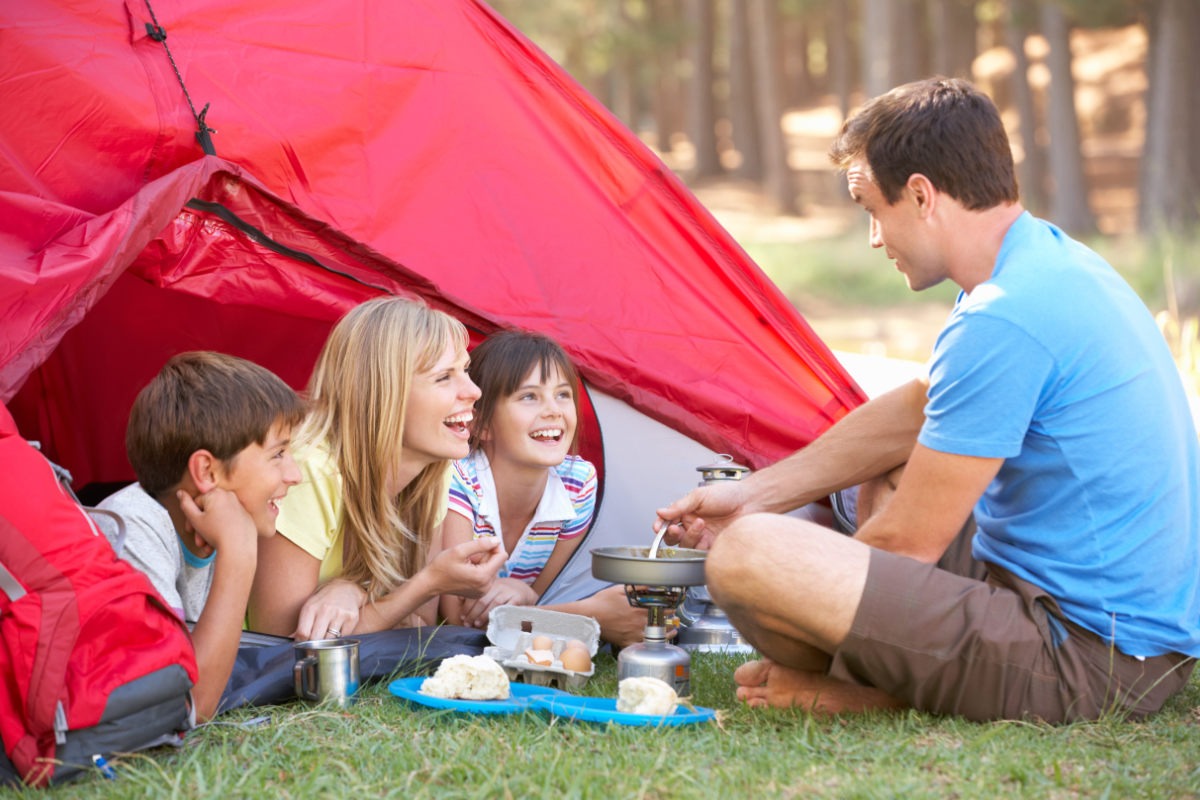
Many of the basic precautions are simply common sense. Pitch your tent properly, supervise children appropriately, take care around cooking equipment and understand what to do if the weather changes.
You don’t need to worry about every possible situation. Concentrate on the practical risks you’re most likely to encounter and make sure everyone in the family understands a few simple campsite rules.
Choose Your Pitch Carefully
Safety starts when you arrive at the campsite.
Before pitching your tent, look around the allocated area and check for obvious hazards.
These might include:
- Uneven ground
- Large stones or holes
- Overhanging or damaged branches
- Areas where water could collect
- Vehicle access routes
- Steep drops or banks
- Open water nearby
If you’re concerned about your allocated pitch, speak to the campsite staff rather than simply setting up somewhere else.
Take particular care if you’re camping near rivers, lakes or the coast with younger children.
Pitch Your Tent Properly
A family tent should be pitched according to the manufacturer’s instructions.
Use the correct poles or air-beam pressures, secure the appropriate pegging points and use guy lines as required.
Don’t ignore guy lines simply because the weather is calm when you arrive. Conditions can change considerably overnight.
Once the tent is pitched, make sure everyone — particularly children — knows where the guy lines are. They can be easy to trip over in poor light.
Bright or reflective guy lines can make them easier to see.
Be Aware of Campsite Traffic
Many campsites allow vehicles close to pitches during arrival and departure.
Children enjoying the freedom of a campsite may not always notice cars moving between tents.
Make sure younger children understand:
- Where they’re allowed to play
- Which campsite roads they can cross
- Where vehicles enter and leave
- Why they shouldn’t play around parked cars
- That drivers may have restricted visibility between tents
Take particular care during busy arrival and departure periods.
Some campsites have vehicle-free areas or separate parking, which may be worth considering when choosing somewhere to stay with younger children.
Keep Cooking Equipment Safe
Camping stoves and barbecues require particular care.
Never use barbecues inside a tent. They can present both a serious fire risk and a risk from carbon monoxide, which cannot be seen or smelled.
Fuel-burning cooking appliances should only be used according to the manufacturer’s instructions and in suitable areas.
When cooking:
- Keep children away from hot equipment
- Position stoves on a stable surface
- Keep flammable materials away
- Never leave cooking unattended
- Allow equipment to cool before storing it
- Follow campsite rules regarding barbecues and fires
Don’t be tempted to move unsuitable cooking equipment into an enclosed tent simply because it’s raining.
Understand Carbon Monoxide
Carbon monoxide can be produced when fuels such as charcoal, gas or other combustible materials are burned.
It is particularly dangerous because it is colourless and odourless.
Never bring a barbecue into a tent to provide warmth, even after the barbecue appears to have finished burning.
Follow the safety instructions supplied with camping appliances and only use them in locations for which they are designed.
If poor weather makes outdoor cooking impractical, choose food that doesn’t need cooking or use suitable campsite facilities instead.
Keep an Eye on the Weather
Weather conditions can change quickly, particularly in exposed or coastal locations.
Check the forecast regularly during your trip and pay attention to weather warnings.
Before poor weather arrives:
- Secure loose equipment
- Check guy lines
- Close appropriate tent openings
- Put chairs and lightweight equipment away
- Make sure the tent remains correctly tensioned
If severe weather is forecast and the campsite or authorities advise you to leave, follow their instructions.
Sometimes the safest camping decision is simply to change your plans.
Take Care Around Water
Many family campsites are close to beaches, rivers, lakes or swimming pools.
Water can be one of the attractions of a camping holiday, but children need appropriate supervision.
Make sure everyone understands the rules for the particular location and never assume natural water is safe for swimming simply because other people are using it.
Be aware that:
- Rivers can have strong currents
- Lake edges can become deep suddenly
- Tides can change quickly
- Rocks may be slippery
- Water temperatures can remain cold even in summer
Use designated swimming areas where provided and follow local safety information.
Keep Medicines and Chemicals Secure
Camping often means keeping everything your family needs inside one relatively small space.
Make sure medicines and potentially harmful products remain safely stored away from younger children.
These can include:
- Prescription medicines
- Painkillers
- Insect repellents
- Cleaning products
- Camping fuels
- Fire-lighting equipment
Keep fuel containers away from heat sources and follow the manufacturer’s storage instructions.
Take a First-Aid Kit
A basic first-aid kit is useful on any family camping trip.
It might include:
- Plasters
- Sterile dressings
- Bandages
- Antiseptic wipes
- Tweezers
- Disposable gloves
- Insect-bite treatment
Take any regular medication required by family members and make sure you have enough for the entire trip.
It’s also useful to know where the nearest campsite reception, first-aid point or other assistance can be found.
Use Electricity Carefully
Many family campers use electric hook-ups for lighting, charging devices and other suitable equipment.
Only use equipment designed for campsite use and suitable for the electrical supply provided.
Keep electrical connections protected from water and never improvise with household extension leads or unsuitable equipment.
Follow the campsite’s instructions and ask staff if you’re uncertain about the connection provided.
Keep the Tent Ventilated
Good ventilation isn’t only about comfort.
Several people sleeping inside a family tent can produce considerable moisture, so use the tent’s ventilation system as intended.
Don’t deliberately block ventilation points with luggage or furniture.
Fresh airflow can help reduce condensation and keep sleeping areas more comfortable throughout the night.
Make Sure Children Know Your Pitch
Large campsites can be confusing, particularly for younger children.
Make sure they know where your tent is and what they should do if they become separated from you.
Depending on their age, teach them:
- Your pitch number
- The name of the campsite
- Where reception is located
- To ask campsite staff for help
- Not to leave the campsite looking for you
Younger children should always have supervision appropriate to their age and surroundings.
Keep Your Tent Secure When You Leave
A tent can’t provide the same level of security as a hotel room or locked holiday cottage.
Avoid leaving valuables unnecessarily inside when you’re away from the campsite.
Keep important items such as:
- Money
- Phones
- Passports
- Car keys
- Other valuables
with you or secured appropriately.
Closing the tent when you leave also helps keep out rain and prevents belongings being visible from outside.
Know Where to Get Help
When you arrive, take a moment to understand the campsite layout.
Know where to find:
- Reception
- Emergency information
- Fire points
- First-aid facilities
- Site exits
If you’re camping somewhere remote, phone reception may also be limited.
Knowing this beforehand is much easier than discovering it when you actually need assistance.
Related Guides
Final Thoughts
Family camping safety is mostly about preparation, awareness and common sense.
Pitch your tent properly, supervise children appropriately, take particular care around vehicles, water and cooking equipment, and stay aware of changing weather conditions.
You don’t need to spend the holiday worrying about everything that might happen.
A few sensible precautions allow everyone to relax, enjoy the campsite and concentrate on what family camping should really be about — spending time together and enjoying the outdoors.