
Air Tents vs Pole Tents: Which Is Best for Your Family?
One of the biggest choices when buying a family tent is whether to choose an air tent or a traditional pole tent.
Both can provide excellent family accommodation, with spacious bedrooms, practical living areas and plenty of protection from the weather. The main difference is how the tent gets its structure.
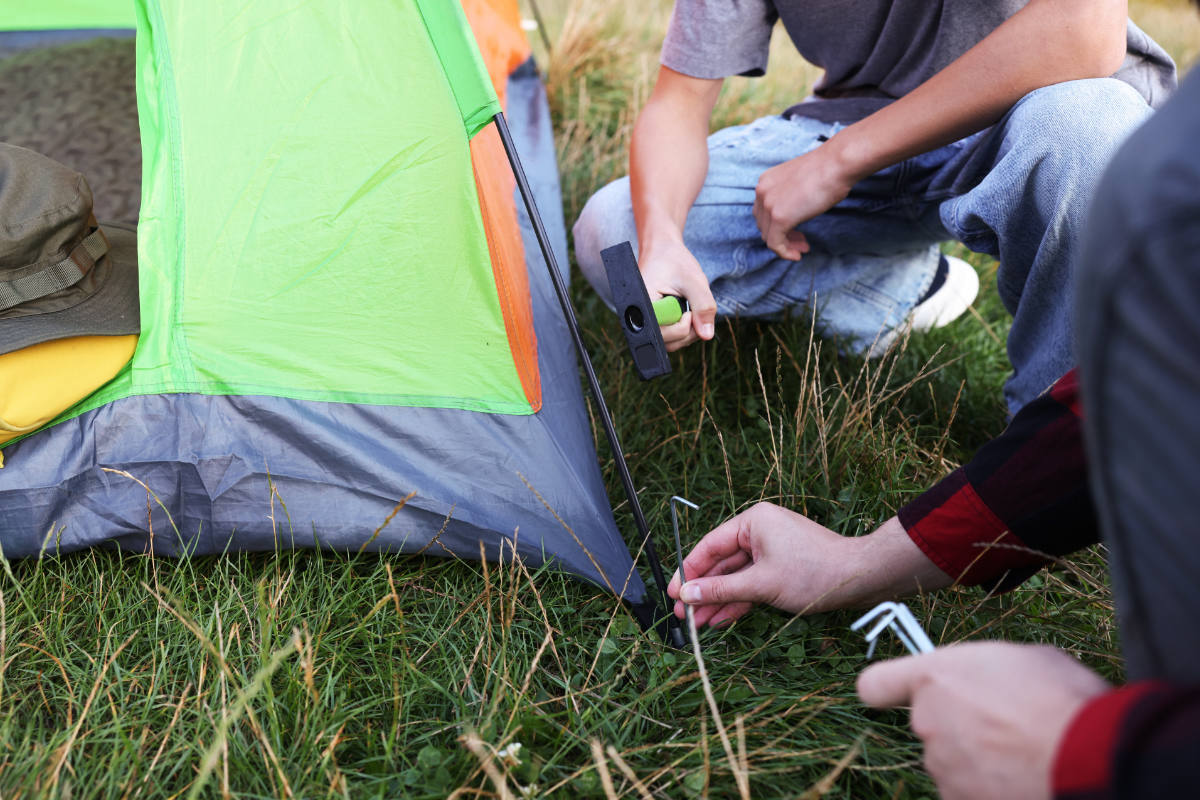
Air tents use inflatable beams, while traditional tents use poles. That difference affects everything from pitching and packed weight to price and convenience.
Neither system is automatically better. The right choice depends on how your family camps and what matters most when you’re away.
What Is an Air Tent?
Air tents replace many of the traditional poles with inflatable beams built into or attached to the tent structure.
Once the tent has been positioned and pegged correctly, the beams are inflated using a suitable pump. As they fill with air, the tent takes shape.
For larger family tents, this can make pitching considerably more straightforward.
Air tents are now available in many different layouts, including:
- Four, six and eight-person tents
- Tunnel tents
- Multi-room family tents
- Large tents with separate living areas
- Tents with extensions and porches
The basic principle remains the same: inflatable beams provide much of the structure instead of conventional poles.
What Is a Pole Tent?
Pole tents use traditional fibreglass, aluminium or similar poles to create the tent structure.
Depending on the design, poles are normally assembled and then threaded through sleeves or attached to clips before the tent is raised and secured.
Traditional pole tents have been used for decades and remain extremely popular.
They are available in everything from relatively compact tents for occasional weekends to large multi-bedroom family models designed for longer holidays.
Air Tents Can Be Easier to Pitch
Ease of pitching is probably the biggest reason families consider an air tent.
Large traditional family tents can involve several long poles, and understanding where everything goes can take time when you’re unfamiliar with the tent.
With an air tent, much of that process is replaced by inflation.
This can be particularly useful when:
- One adult does most of the pitching
- You’re camping with younger children
- You take frequent short breaks
- You want to get set up quickly
- You simply dislike dealing with long tent poles
Air tents still need to be positioned, pegged and guyed correctly. They aren’t instant tents, but inflation can remove one of the more time-consuming parts of pitching a large family model.
Pole Tents Can Offer Excellent Value
Traditional pole tents often have an advantage when it comes to price.
Because the construction is simpler and well established, you may be able to buy a larger pole tent for the same budget as a smaller or less extensively equipped air tent.
That can make pole tents particularly attractive to families starting camping for the first time.
If you don’t mind spending a little longer pitching, your money may buy:
- More living space
- Additional bedrooms
- A larger overall tent
- Useful family features
For families camping only a few times each year, that difference in price may be more valuable than faster pitching.
What About Packed Weight?
It’s easy to assume that removing traditional poles makes an air tent lighter.
That isn’t necessarily the case.
The inflatable beams and heavier construction used in some large air tents can make them substantial when packed away.
A large family air tent may therefore be easier to erect but still quite heavy to lift into and out of the car.
Before choosing either type, check:
- Total packed weight
- Packed dimensions
- Whether the tent comes in one or more bags
- How easily you’ll be able to lift it
- How much room it will occupy in your vehicle
This is particularly important if you’re already carrying beds, chairs, tables, cooking equipment and luggage for the whole family.
Are Air Tents Reliable?
A common concern for first-time buyers is what happens if an inflatable beam develops a problem.
Modern air tents are designed specifically for camping and use robust inflatable systems. Individual beams or inner tubes can also often be repaired or replaced depending on the design.
As with any tent, sensible use matters.
Follow the manufacturer’s recommended inflation pressure and don’t assume that putting more air into the beams will improve the tent.
It’s also sensible to understand the repair procedure before your first holiday and carry any recommended repair equipment.
What Happens When Pole Tents Are Damaged?
Traditional poles can also suffer damage.
Strong winds, accidental handling or forcing poles during pitching can result in bent or broken sections.
The advantage is that replacement pole sections and repair kits are widely available for many tents.
Whichever type you choose, checking your tent after each trip and dealing with damage before your next holiday is good practice.
Which Is Better in Bad Weather?
You shouldn’t choose between an air tent and a pole tent based solely on the assumption that one will automatically perform better in poor weather.
Weather performance depends on the complete tent design, including:
- Shape and structure
- Fabric
- Guy lines
- Pegging points
- Pitching direction
- Ground conditions
- How correctly the tent has been pitched
Both good-quality air and pole tents can provide reliable family camping accommodation when used appropriately.
Always follow the manufacturer’s pitching instructions and use the guy lines when conditions require them.
Which Is Better for Longer Holidays?
For a longer family holiday, the answer often comes down to the individual tent rather than whether it uses air beams or poles.
Once a tent is pitched for a week or two, an extra few minutes spent setting it up becomes relatively unimportant.
Living space, bedroom layout and comfort may matter much more.
If you frequently take short weekend trips, however, quicker pitching and packing can become a bigger consideration because you’re setting up camp more often.
Think about how you’ll use the tent rather than concentrating solely on the technology holding it up.
Air Tents May Suit Your Family If…
An air tent may be worth considering if:
- Quick and straightforward pitching is important
- One person often sets up the tent
- You camp regularly
- You take frequent shorter breaks
- You’re happy to pay more for convenience
For many families, easier pitching is enough to justify the additional cost.
Pole Tents May Suit Your Family If…
A traditional pole tent may make more sense if:
- You’re working to a tighter budget
- You don’t mind conventional pitching
- You want maximum space for your money
- You only camp occasionally
- You’re already comfortable using pole tents
Traditional doesn’t mean outdated. A well-designed pole tent can provide everything a family needs for an excellent camping holiday.
Don’t Choose on Air vs Poles Alone
It’s easy to become focused on the air-versus-poles decision, but it’s only one part of choosing a family tent.
The tent still needs to provide the right:
- Sleeping capacity
- Bedroom layout
- Living space
- Weather protection
- Ventilation
- Packed size
- Family-friendly features
A tent with the wrong layout won’t suddenly become suitable because it’s quicker to inflate.
Choose the tent that works best as family accommodation first, then decide how important its pitching system is to you.
Related Guides
If you’re comparing family tents, these guides may also help:
Final Thoughts
Air tents and traditional pole tents can both make excellent family tents.
Air tents offer the convenience of inflatable beams and can make pitching a large tent considerably easier. Pole tents remain a proven option and can provide excellent space and value for money.
Think about how often you camp, who normally pitches the tent, how much you want to spend and how important quick setup is to your family.
Get those decisions right and whether your tent is supported by air or poles becomes less important than what really matters: having a comfortable family base from which to enjoy your camping holiday.