
Types of Family Tents Explained
Choosing a family tent is much easier once you understand the different types available. From traditional pole tents to modern inflatable air tents, there are plenty of designs to suit different families, budgets and camping holidays.
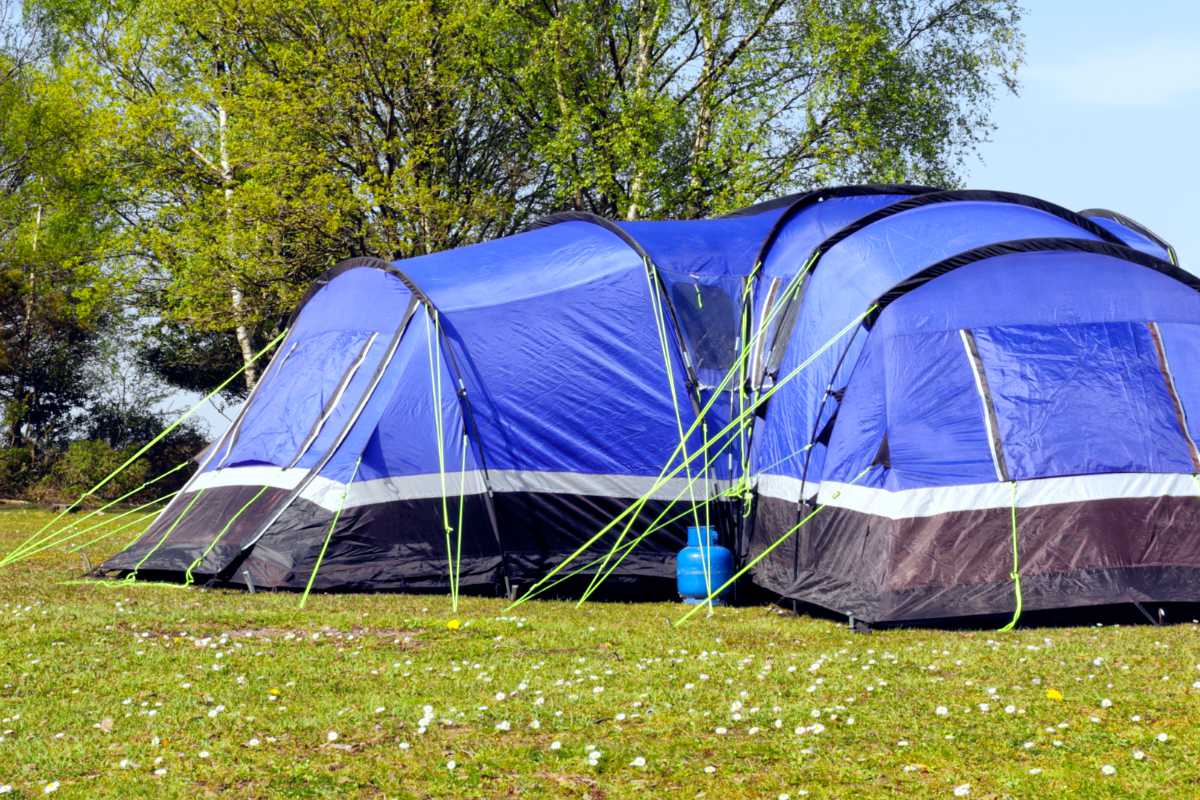
The best choice isn’t necessarily the biggest tent or the most expensive. Think about how many people will use it, how much living space you need, how often you’ll camp and how easily you want to be able to pitch and pack away.
Here are some of the main types of family tents you’ll come across when choosing your next tent.
Air Tents
Air tents have become extremely popular with families. Instead of relying on traditional poles for much of their structure, inflatable beams are filled using a suitable pump.
The main attraction is convenience. Large family tents can sometimes involve a considerable number of poles, whereas an air tent can make pitching much more straightforward.
They’re particularly worth considering if one adult is likely to do much of the pitching.
Air tents aren’t necessarily lightweight, however. Larger models can be substantial when packed, so always check the weight and packed dimensions if space in the car is limited.
Pole Tents
Traditional pole tents remain an excellent option for family camping.
Modern pole tents are available in everything from relatively compact family designs to large multi-room tents with generous living areas.
They can also provide very good value compared with equivalent inflatable models.
Pitching may take a little longer, particularly with a large tent, but once you’ve become familiar with the layout it usually becomes considerably easier.
For families who don’t mind traditional pitching and want plenty of tent for their budget, a pole tent remains well worth considering.
Tunnel Tents
Tunnel tents are one of the most familiar designs on UK campsites.
A series of curved poles or inflatable beams creates a long tunnel-shaped structure, often with bedrooms at one end and a living area through the centre or front.
This makes excellent use of the available space and allows manufacturers to create practical layouts for larger families.
Tunnel tents need to be positioned and guyed correctly, particularly when the weather becomes windy, but their combination of sleeping and living space makes them a popular family choice.
Multi-Room Family Tents
For longer camping holidays, separate rooms can make tent life much more comfortable.
Multi-room tents usually combine several sleeping areas with a larger central living space. Some also have removable bedroom dividers, allowing you to change the layout depending on who is camping.
Separate bedrooms can be particularly useful as children get older and want their own space.
The disadvantage is simply size. More rooms generally mean a larger packed tent, a bigger campsite pitch and more time spent setting everything up.
Cabin Tents
Cabin-style tents concentrate on usable interior space and headroom.
Their more upright walls can make the inside feel particularly spacious, with less of the restricted headroom sometimes found towards the edges of other tent designs.
This can work well for families spending longer periods on one campsite where comfort and living space are more important than having a particularly compact tent.
As with other large designs, check the packed size before buying and make sure you’ll be comfortable transporting and pitching it.
Large Family Tents
Large family tents can offer several bedrooms, substantial living areas and plenty of room for furniture, storage and camping equipment.
For a week or two away, that extra space can be fantastic.
However, bigger isn’t automatically better.
A very large tent requires a suitable campsite pitch, takes up more room in the car and will usually require more work when pitching and packing away.
Choose enough space to make your family comfortable rather than simply buying the largest tent available.
What Type of Family Tent Should You Choose?
Start with how your family actually camps.
For shorter trips and weekends away, a relatively straightforward pole or air tent with a useful living area may be all you need.
For longer summer holidays, additional bedrooms, standing room and a generous living area become much more valuable.
If quick pitching is particularly important, an air tent deserves serious consideration. If budget is the priority, a traditional pole tent may provide more space for your money.
Also consider how often you’ll move. A large multi-room tent is ideal when you’re staying in one place for a week, but can become inconvenient if you’re changing campsites every couple of days.
Don’t Choose on Tent Type Alone
The style of tent is only one part of the decision.
Before buying, also compare:
- Sleeping capacity
- Bedroom layout
- Living space
- Waterproofing
- Ventilation
- Packed dimensions
- Weight
- Pitching requirements
Two tents of the same general type can provide very different camping experiences.
The right layout and size for your family are ultimately more important than whether the tent uses air beams or traditional poles.
Related Guides
If you’re still deciding which family tent will suit you, you may also find these guides useful:
- Choosing a Family Tent: Part One
- Choosing a Family Tent: Part Two
- What Makes a Good Family Tent?
- How Much Should You Spend on a Family Tent?
Final Thoughts
There is no single type of family tent that will be right for everyone.
Air tents offer convenient pitching, traditional pole tents can provide excellent value, while tunnel and multi-room designs can give families the additional living and sleeping space needed for longer holidays.
Think about the number of people camping, the space you’ll genuinely use and how you’ll transport and pitch the tent.
Choose well and your family tent should provide a comfortable base for weekends away, longer holidays and plenty of memorable adventures together.