
Waking up inside a damp tent can be one of the most frustrating experiences of a family camping holiday. You may have gone to bed with everything dry, only to discover water droplets on the inside of the tent fabric, moisture around the windows or damp patches on your sleeping equipment the following morning.
For families camping in Britain, condensation is a particularly common problem. Cool nights, changing temperatures, high humidity and wet weather can all contribute to moisture building up inside a tent.
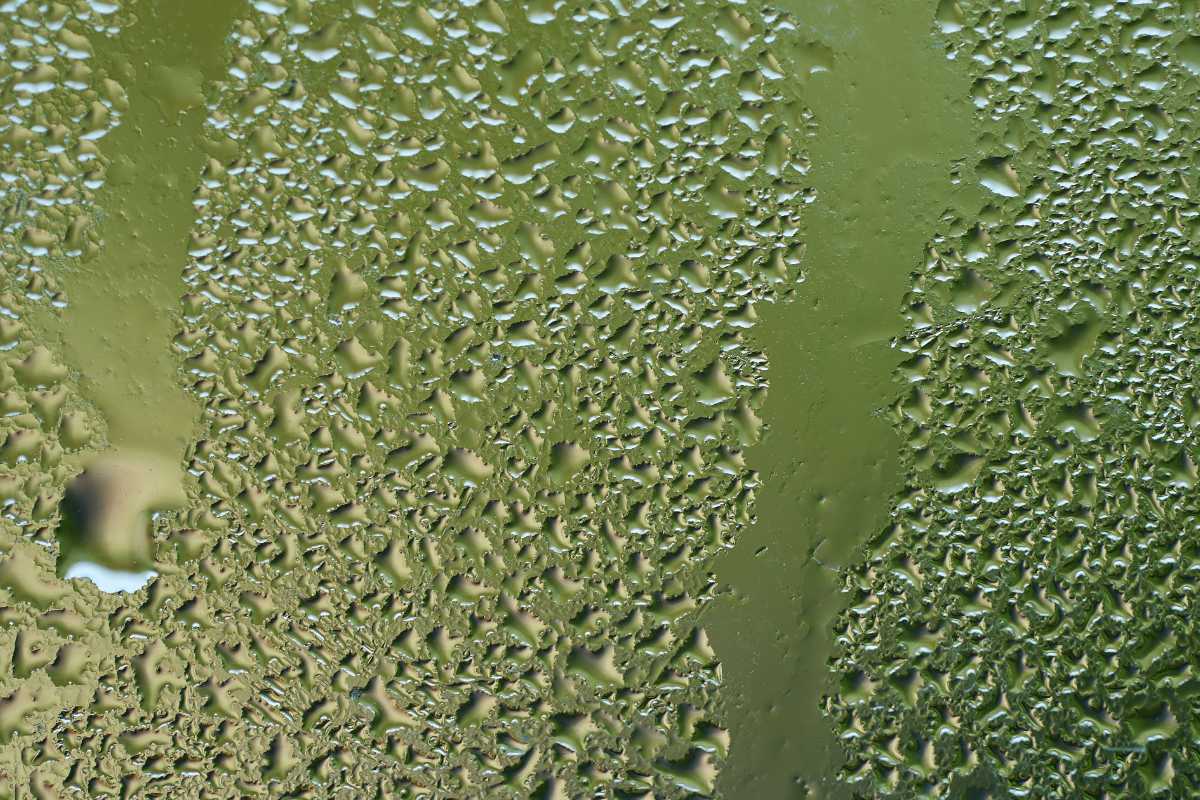
However, condensation doesn’t necessarily mean your tent is leaking or that there’s something wrong with its waterproofing.
Even a high-quality family tent can develop condensation when warm, moist air comes into contact with colder surfaces.
The good news is that condensation can usually be reduced considerably with the right approach to ventilation, campsite selection, sleeping arrangements and moisture management.
Modern family tents often include ventilation panels, breathable inner bedrooms and adjustable openings designed to improve airflow. Understanding how to use these features correctly can make a significant difference to comfort.
Whether you’re using a large inflatable family tent, a traditional pole tent or a multi-room camping tent, this guide explains why condensation occurs, how to prevent excessive moisture and what to do when you wake up to a damp tent.
We’ll also look at common mistakes, the differences between condensation and genuine leaks, and practical ways to keep your family comfortable during wet or cold camping trips.
Tent Condensation at a Glance
- Main cause: Warm, moist air coming into contact with colder tent surfaces
- Most common time: Overnight and early morning
- Typical signs: Water droplets on the inner flysheet, damp windows and moisture collecting around the tent walls
- Main contributing factors: Breathing, wet clothing, damp ground, poor ventilation and high humidity
- Tent types affected: Air tents, pole tents, tunnel tents, dome tents and multi-room family tents
- Best prevention: Maintain ventilation, reduce indoor moisture and avoid unnecessary contact with the outer flysheet
- Common misunderstanding: Condensation is not necessarily evidence of a leaking tent
- Important safety advice: Never use fuel-burning heaters, stoves or barbecues inside a tent to dry the interior
Some condensation is almost unavoidable in certain weather conditions, particularly during cold, still nights.
The aim is to minimise moisture rather than expect a completely dry tent in every situation.
What Causes Condensation Inside a Tent?
Condensation occurs when moisture in the air changes from water vapour into liquid droplets after coming into contact with a sufficiently cold surface.
During a camping trip, the air inside your tent can become warmer and more humid than the air outside.
As temperatures fall overnight, the outer tent fabric cools.
When warm, moist air reaches that colder surface, water droplets can begin to form.
These droplets may collect on the inside of the flysheet, around windows or on other cold surfaces.
If enough moisture accumulates, it may run down the tent walls or drip onto the groundsheet.
This can make the tent feel damp even when no rainwater has entered.
Several everyday activities contribute to the moisture inside a family tent.
Breathing releases water vapour into the air, while damp clothing, wet footwear and cooking-related moisture can increase humidity further.
The more people sleeping inside the tent, the greater the potential for moisture accumulation.
A large family tent with several occupants may therefore experience significant condensation during a cool night, particularly if ventilation is restricted.
Understanding these causes is the first step towards managing the problem.
Why Is Condensation So Common When Family Camping?
Family camping tents are often larger and more complex than lightweight backpacking tents.
They may contain several sleeping compartments, a central living area, storage spaces and an enclosed porch.
These features provide comfort and convenience, but they also create different conditions for moisture to accumulate.
A family of four or five people sleeping inside a tent will naturally release moisture through breathing and perspiration.
Wet coats, muddy shoes, towels and damp bedding may add further humidity.
During cold weather, families may be tempted to close every door, window and ventilation panel to keep warm.
Unfortunately, reducing airflow can make condensation worse.
Moist air becomes trapped inside the tent, increasing the likelihood of droplets forming on cold surfaces.
Large family tents can also have extensive areas of outer fabric that cool rapidly overnight.
This gives moisture more opportunities to condense.
However, a larger tent isn’t automatically worse for condensation than a smaller one.
The effectiveness of its ventilation system, the number of occupants and the surrounding weather conditions are all important factors.
Is Tent Condensation the Same as a Leak?
One of the most common concerns among new campers is discovering water inside a tent and assuming the waterproof fabric has failed.
However, condensation and leaks are different problems.
Condensation usually forms when humid air meets a cold surface.
A genuine leak occurs when external water penetrates the tent through damaged fabric, seams, zips or other vulnerable areas.
Recognising the difference can help you decide whether the tent needs better ventilation or actual repair work.
Signs of Condensation
Condensation often appears as numerous small droplets across the inner surface of the outer flysheet.
It may be particularly noticeable early in the morning.
Moisture can appear across several areas of the tent rather than in one specific location.
Windows may become misted, and water may collect around the lower edges of the fabric.
Condensation can occur even when there has been no rain.
It may also become worse when several people are sleeping inside with limited ventilation.
Signs of a Genuine Leak
A leak may appear as water entering from a particular seam, zip, damaged panel or attachment point.
The problem may become more noticeable during heavy rainfall or when wind-driven rain strikes the tent.
Water may follow a particular route down the fabric or collect in a specific location.
However, the distinction isn’t always obvious.
Condensation can also drip from a particular point, and rain can increase condensation by cooling the outer fabric.
If you’re uncertain, inspect the tent carefully and consider whether the moisture is linked to rainfall, ventilation or visible damage.
Avoid assuming that every damp patch is caused by faulty waterproofing.
How to Stop Condensation in a Tent
Reducing condensation usually requires a combination of practical measures.
No single technique will eliminate moisture in every situation.
However, improving airflow, managing wet equipment and selecting a suitable campsite pitch can make a substantial difference.
The following steps are particularly useful for families using larger tents with separate sleeping and living areas.
1. Keep Your Tent Properly Ventilated
Ventilation is one of the most effective ways to reduce condensation.
Fresh air entering the tent helps replace warm, humid air with air from outside.
This can reduce the amount of moisture available to condense on cold surfaces.
Many modern family tents include several ventilation features.
These may include:
- Low-level air vents
- Roof ventilation panels
- Mesh windows
- Adjustable side openings
- Ventilated bedroom compartments
- Mesh doors
Use these features according to the manufacturer’s instructions.
Where conditions allow, opening both low-level and higher ventilation points can encourage airflow through the tent.
Warm, moist air can escape through higher openings while replacement air enters elsewhere.
However, ventilation must also be balanced with weather protection.
During heavy rain or strong winds, some openings may need to be adjusted to prevent water entering.
The aim is to maintain as much safe airflow as conditions permit.
Should You Leave Tent Vents Open Overnight?
In most conditions, keeping suitable ventilation openings open overnight is beneficial.
Even when temperatures fall, completely sealing a tent can encourage moisture to accumulate.
You don’t necessarily need to leave the main doors open.
Purpose-designed ventilation panels can often provide airflow while maintaining protection from rain and insects.
Check that bedding, bags and other equipment aren’t blocking the vents.
If your tent has adjustable ventilation panels, experiment with different settings to find a comfortable balance.
Remember that ventilation reduces humidity but doesn’t guarantee that condensation will disappear completely.
2. Avoid Blocking Airflow Inside the Tent
Even a well-designed ventilation system can become less effective if the interior is overcrowded.
Large bags, camping furniture and piles of clothing may obstruct vents or restrict air movement.
Try to keep the main ventilation openings clear.
Avoid placing bulky storage boxes directly against ventilated panels.
Leave reasonable space between furniture and the outer tent walls.
If your family tent has several bedrooms, check that the ventilation openings serving those compartments remain unobstructed.
Some tents include mesh panels above bedroom doors or near the roof.
These allow air to circulate between the sleeping areas and the main living space.
Avoid covering them unnecessarily.
A little organisation can improve both airflow and comfort.
For more practical advice about arranging your camping equipment, read our Family Tent Organisation and Storage Tips guide.
3. Keep Wet Clothing and Equipment Away from Sleeping Areas
Wet clothing is a major contributor to moisture inside family tents.
Raincoats, towels, swimming costumes, muddy footwear and damp socks can all release water vapour as they dry.
If these items are stored inside a poorly ventilated bedroom, humidity can rise considerably.
Whenever possible, keep wet equipment in a designated storage area away from bedding.
A separate porch can be useful, provided the area is adequately ventilated and protected from rain.
Avoid hanging large quantities of wet clothing inside sleeping compartments.
If the campsite provides a drying room or laundry facilities, consider using them.
During prolonged wet weather, it may be difficult to dry everything completely.
In that situation, separate damp equipment from dry clothing and bedding as much as possible.
Waterproof storage bags can help protect dry belongings, but avoid sealing damp items away for extended periods because they may develop unpleasant smells or mould.
4. Choose a Well-Drained Camping Pitch
The location of your tent can influence the amount of moisture around it.
Low-lying ground, shaded areas and poorly drained pitches may remain damp for longer periods.
Moisture from wet ground can contribute to the humid conditions surrounding the tent.
Before pitching, inspect the ground carefully.
Choose a level, well-drained area where rainwater is unlikely to collect.
Avoid obvious hollows or natural drainage channels.
If possible, select a pitch that receives some daylight rather than remaining permanently shaded.
Morning sunlight can help warm the tent fabric and encourage moisture to evaporate.
However, don’t sacrifice safety or weather protection simply to find a sunnier position.
Avoid pitching beneath unstable trees or in areas vulnerable to flooding.
A suitable pitch is important for comfort, drainage and overall camping safety.
For a detailed explanation of selecting a pitch and setting up your tent, read our How to Pitch a Family Tent guide.
5. Use Your Tent Groundsheet Correctly
Groundsheets help separate the tent interior from the ground.
Many modern family tents include sewn-in groundsheets, which provide a continuous barrier beneath the living and sleeping areas.
Others use detachable groundsheets or separate footprints.
A correctly fitted groundsheet can help protect the interior from ground moisture and surface water.
However, it won’t eliminate condensation caused by humid air.
If you’re using a separate footprint, make sure it doesn’t extend beyond the outer edges of the tent.
An oversized footprint can collect rainwater and direct it beneath the tent.
This may create damp conditions that are easily mistaken for condensation or leaks.
Check the manufacturer’s instructions for the correct groundsheet arrangement.
Avoid placing additional plastic sheets inside the tent without considering whether they may trap moisture or interfere with the intended floor system.
6. Keep Bedding Away from the Outer Tent Walls
Sleeping equipment can become damp when it touches surfaces affected by condensation.
This is particularly common when sleeping bags, pillows or mattresses are pressed against the outer tent fabric.
Many family tents use a double-layer construction.
The outer flysheet provides weather protection, while the inner sleeping compartment creates a separate space for occupants.
The gap between these layers helps reduce direct contact with moisture.
Avoid pushing the inner bedroom fabric tightly against the outer flysheet.
When arranging sleeping mats or airbeds, leave enough space to prevent bedding from pressing against damp surfaces.
Large airbeds can sometimes push bedroom walls outward, reducing the separation between the inner and outer layers.
Check the dimensions of your sleeping equipment before travelling.
If condensation forms on the flysheet, keeping bedding away from it can help prevent moisture transferring onto sleeping bags and pillows.
7. Avoid Cooking Inside Your Family Tent
Cooking produces water vapour, which can increase humidity inside enclosed spaces.
Boiling water, preparing hot drinks and cooking meals all release moisture into the air.
However, condensation isn’t the only reason to avoid cooking inside a tent.
Never use camping stoves, barbecues, charcoal burners or other fuel-burning cooking equipment inside a tent or enclosed porch.
These appliances present serious fire and carbon monoxide risks.
Carbon monoxide is particularly dangerous because it cannot be seen or smelled.
Even apparently extinguished charcoal can continue releasing carbon monoxide.
Cooking should take place outdoors in a suitable location, following the equipment manufacturer’s instructions and campsite safety rules.
Keep cooking appliances safely away from tent fabric, entrances and other combustible materials.
If rain makes outdoor cooking difficult, use designated campsite cooking facilities where available.
Never attempt to reduce condensation by operating a stove or heater inside the tent.
8. Manage Condensation During Cold Nights
Cold weather often increases the likelihood of condensation because the outer tent fabric becomes colder.
When warm, moist air inside the tent reaches the cold flysheet, water droplets may form.
During chilly nights, it can be tempting to close every ventilation opening.
However, this may trap moisture inside.
Instead, maintain appropriate ventilation while using suitable sleeping equipment to stay warm.
A good sleeping bag, insulated sleeping mat and appropriate nightwear are generally more effective ways to maintain sleeping comfort than trying to heat the entire tent.
Avoid relying on the tent itself to provide insulation comparable to a building.
Most family tents are designed primarily to provide shelter from wind and rain rather than retain significant heat.
For further advice about sleeping comfortably during colder weather, explore our How to Keep Warm When Family Camping guide.
9. Open the Tent During the Morning
Morning is an excellent time to reduce accumulated moisture.
Once everyone is awake, open suitable doors, windows and ventilation panels if the weather allows.
This encourages air circulation and helps moisture evaporate.
If the sun is shining, the warming tent fabric may dry more quickly.
Avoid immediately packing damp bedding into sealed bags.
Where practical, allow sleeping bags and blankets to air before storing them.
You can also check the inner tent walls and groundsheet for moisture.
A clean, absorbent cloth can be used to remove excess droplets from accessible surfaces.
Wiping away water won’t prevent condensation from forming again, but it can help keep the interior more comfortable.
10. Avoid Overcrowding Your Family Tent
The number of people sleeping inside a tent affects the amount of moisture produced overnight.
A tent advertised as suitable for six people may technically accommodate six sleeping spaces, but that doesn’t necessarily mean it will provide generous room for clothing, luggage and everyday family activities.
Overcrowding can restrict airflow and increase humidity.
It may also cause bedding to press against the tent walls.
For families planning longer camping holidays, choosing a tent with additional living space can improve comfort.
For example, a family of four may prefer a six-berth tent if they want more room for storage and sleeping arrangements.
However, the ideal size depends on the tent’s actual floor dimensions and layout.
A larger tent isn’t a guaranteed solution to condensation, but adequate space can make ventilation and moisture management easier.
Condensation in Air Tents vs Pole Tents
Some campers wonder whether inflatable tents are more likely to develop condensation than traditional pole tents.
In practice, condensation is influenced more by ventilation, fabric construction, occupancy and weather conditions than by the type of supporting structure.
An air tent uses inflatable beams instead of conventional poles.
A pole tent uses a framework made from materials such as fibreglass, aluminium or steel.
Both designs may use similar flysheet fabrics, inner bedrooms and ventilation systems.
A well-ventilated air tent may manage condensation more effectively than a poorly ventilated pole tent.
Equally, a well-designed pole tent may perform better than an inflatable model with limited airflow.
When comparing tents, pay attention to the ventilation features rather than assuming one support system automatically prevents condensation.
Our Air Tents vs Pole Tents guide explores the wider differences between these popular family tent designs.
Do Blackout Bedrooms Reduce Condensation?
Darkened or blackout bedrooms are increasingly common in modern family tents.
These compartments are designed to reduce the amount of light entering the sleeping area, helping families sleep more comfortably during bright summer mornings.
However, blackout materials do not automatically prevent condensation.
The amount of moisture inside a tent still depends on humidity, temperature, ventilation and other factors.
Some darkened bedrooms include breathable fabrics and dedicated ventilation panels.
Others may have different airflow characteristics.
When choosing a tent with blackout bedrooms, check how ventilation is provided.
A darker sleeping compartment can improve comfort, but it should still allow suitable air circulation.
Avoid blocking mesh panels or ventilation openings simply to make the bedroom darker.
Why Does Condensation Form on Tent Windows?
Tent windows are often made from clear plastic materials that allow daylight into the living area.
These surfaces can become cold overnight.
When warm, moist air inside the tent comes into contact with a cold window, condensation may form.
The result can be misted windows or visible water droplets.
This is similar to condensation appearing on household windows during cold weather.
The problem may be particularly noticeable in large family tents with extensive window panels.
Improving ventilation can help reduce the amount of moisture collecting on these surfaces.
Where the tent design allows, opening nearby vents may improve airflow around the windows.
A soft cloth can be used to remove excess moisture.
Avoid abrasive cleaning materials that could scratch or damage the window panels.
Why Is My Tent Wet Inside When It Hasn’t Rained?
Finding moisture inside a tent after a dry night can be confusing.
However, condensation doesn’t require rainfall.
Moisture released through breathing and perspiration can be enough to create droplets on cold surfaces.
Damp ground and high outdoor humidity may also contribute.
Clear nights can sometimes encourage condensation because tent fabric loses heat and becomes colder than the surrounding air.
As the fabric cools, moisture may collect on its inner surface.
This means a tent can be wet inside even when the weather has remained completely dry.
The solution is usually to improve airflow and manage moisture rather than immediately applying additional waterproofing treatments.
Can You Completely Prevent Condensation in a Tent?
It’s important to have realistic expectations.
Condensation is a natural physical process and cannot always be eliminated.
Even expensive family tents may develop moisture under certain conditions.
Cold temperatures, high humidity and still air can make condensation particularly difficult to avoid.
The goal should be to reduce excessive moisture and prevent it from affecting sleeping equipment and comfort.
Good ventilation, sensible campsite selection and careful organisation can all help.
However, some dampness may still appear on the outer flysheet during particularly humid nights.
This doesn’t necessarily indicate a problem with the tent.
Do Tent Dehumidifiers Work?
Small moisture-absorbing products are sometimes marketed for use in tents, caravans and other enclosed spaces.
These products may absorb limited amounts of moisture from the surrounding air.
However, their effectiveness in a large family tent is likely to be limited.
Tents are not airtight environments, and moisture can continuously enter through ventilation openings.
Several people sleeping inside can also produce considerable amounts of water vapour.
A small moisture absorber is unlikely to compensate for poor ventilation or large quantities of wet clothing.
Some products also contain chemicals or liquids that may be unsuitable around children or pets if spilled.
For most family campers, improving ventilation and managing damp equipment are more practical first steps.
Electric dehumidifiers are generally not a realistic solution for ordinary tent camping because of their power requirements, space needs and the continuous exchange of air with the outdoors.
Should You Use a Tent Heater to Reduce Condensation?
Using a heater to dry the inside of a tent is not recommended as a general condensation solution.
Fuel-burning heaters can produce carbon monoxide and create serious fire risks.
They should never be used inside a tent or enclosed porch.
Portable electric heaters also present potential hazards, including overheating, electrical faults and contact with combustible tent fabric.
Unless a tent manufacturer and campsite explicitly permit a particular heating arrangement, it is safer to avoid using heaters inside the tent.
Even warming the air doesn’t necessarily remove moisture.
If humid air remains trapped, condensation may simply form again when surfaces cool.
Ventilation and moisture management remain the most appropriate approaches.
What to Do If You Wake Up to a Wet Tent
If you wake up and discover condensation inside your tent, there’s usually no need to panic.
Start by identifying where the moisture has collected.
If droplets are spread across the inner flysheet or windows, condensation is a likely explanation.
Check whether bedding or other equipment has become wet.
Move damp items away from the tent walls.
If weather conditions permit, open the ventilation panels and doors to encourage airflow.
Use a clean cloth to remove excess water from accessible surfaces.
Avoid rubbing delicate coatings or using harsh cleaning products.
If water is collecting in a particular location, inspect the tent for possible leaks or incorrectly positioned fabric.
Check that the outer flysheet is correctly tensioned and that water isn’t pooling on the roof.
If rain has been falling, inspect the groundsheet and surrounding pitch for surface water.
Once the tent begins to dry, rearrange equipment to improve airflow and prevent further contact with damp surfaces.
How to Dry a Family Tent After Heavy Condensation
If your tent becomes damp during a camping trip, drying it properly is important.
Where possible, open doors and ventilation panels during dry weather.
Allow air to circulate through the living and sleeping compartments.
Move damp bedding and clothing away from the tent walls.
If the weather improves, sunlight and a gentle breeze may help the fabric dry.
However, avoid leaving delicate materials exposed to excessive heat or placing them close to fires or heaters.
If you need to pack away the tent while it is still damp, do so carefully.
Once you return home, unpack it as soon as possible.
Allow the tent body, inner compartments, groundsheet, guy lines and other damp components to dry thoroughly.
Never leave a wet tent packed in its storage bag for an extended period.
Prolonged dampness can encourage mould, mildew and unpleasant smells.
It may also affect certain fabric coatings and materials.
For more advice about cleaning, drying and storing camping equipment, read our Looking After Your Family Tentguide.
How to Choose a Family Tent with Good Ventilation
If you’re planning to buy a new family tent, ventilation is an important feature to consider.
While no tent can guarantee a condensation-free camping experience, a well-designed ventilation system can improve comfort.
Look for a combination of low-level and higher ventilation openings.
These can encourage air movement through the tent.
Mesh doors and windows may also be useful during warmer weather.
Separate inner sleeping compartments can help reduce direct contact with moisture on the outer flysheet.
Consider how easily ventilation panels can be adjusted during rainfall.
Some tents include covered vents that allow airflow while providing protection from the weather.
It’s also worth checking whether bedroom ventilation remains effective when internal doors are closed.
A tent with generous living space can make it easier to organise equipment without blocking airflow.
However, remember that tent size alone doesn’t determine ventilation performance.
The quality of the overall design is more important.
Our Choosing the Right Family Tent guide explains the main features to consider when selecting a tent for family holidays.
Tent Condensation and Camping with Babies or Young Children
Managing condensation is particularly important when camping with babies or young children.
Damp bedding and cold sleeping conditions can make the experience uncomfortable.
Choose suitable sleeping equipment and keep bedding away from tent walls.
Maintain appropriate ventilation without exposing children to unnecessary draughts.
Avoid placing sleeping areas directly beside open doors or vents where cold air may blow strongly onto occupants.
However, don’t completely seal the tent in an attempt to keep it warm.
Use suitable clothing and age-appropriate sleeping equipment to maintain comfort.
Never use fuel-burning heaters or cooking equipment inside the tent.
If bedding becomes damp, replace or dry it as soon as practical.
Parents should also follow recognised safe-sleep guidance for babies, including using an appropriate firm, flat sleep surface and avoiding overheating.
Camping with very young children requires additional planning, particularly during cold or unsettled weather.
For more family-focused advice, read our Camping with Children guide.
How Weather Conditions Affect Tent Condensation
Weather has a major influence on the amount of condensation that develops inside a tent.
Understanding these conditions can help you prepare.
Cold, Clear Nights
Cold nights can encourage condensation because the outer tent fabric loses heat.
Warm, moist air inside the tent may then condense on the colder surface.
Maintain suitable ventilation and keep bedding away from the flysheet.
Wet Weather
Rain can increase the moisture surrounding the tent and cool the outer fabric.
Wet clothing and equipment may also add humidity inside.
Keep damp items separated from sleeping areas and maintain airflow where possible.
Warm, Humid Weather
Condensation isn’t limited to cold conditions.
Warm, humid air can also produce moisture on surfaces that cool overnight.
Mesh panels and ventilation openings can help improve comfort.
Still Conditions
When there is little wind, natural airflow through the tent may be reduced.
This can allow humid air to accumulate.
Use the tent’s ventilation system as effectively as possible.
Windy Conditions
Wind can improve air movement through a tent, but strong winds may also require certain openings to be adjusted for safety and weather protection.
Always follow the manufacturer’s recommendations.
Common Mistakes That Make Tent Condensation Worse
Several everyday camping habits can unintentionally increase condensation.
Closing Every Vent
Completely sealing the tent can trap humid air.
Maintain suitable ventilation whenever conditions allow.
Drying Wet Clothes in Bedrooms
Damp clothing releases moisture into the air.
Keep wet equipment away from sleeping areas where possible.
Pushing Bedding Against the Flysheet
Contact with damp outer fabric can transfer moisture onto sleeping bags and pillows.
Leave sufficient space around sleeping equipment.
Overcrowding the Tent
Too many people and belongings can restrict airflow and increase humidity.
Choose a tent with enough usable space for your family.
Ignoring Ground Conditions
Poorly drained pitches can create damp surroundings.
Select a suitable location before pitching.
Assuming Every Damp Patch Is a Leak
Condensation is common and doesn’t necessarily indicate faulty waterproofing.
Investigate the source of moisture before attempting repairs.
Using Heaters to Dry the Tent
Heating appliances can create serious safety hazards.
Ventilation and sensible moisture management are safer approaches.
Is Condensation Worse in Cheap Family Tents?
The price of a tent doesn’t automatically determine how much condensation it will produce.
However, tent design and construction can influence how effectively moisture is managed.
Some budget tents may have fewer ventilation openings or simpler internal layouts.
More expensive models may offer additional vents, breathable inner compartments and adjustable airflow systems.
However, even premium tents can develop condensation during cold or humid weather.
A well-ventilated budget tent used correctly may perform better than an expensive tent with all its vents closed.
When comparing family tents, focus on the practical features rather than price alone.
Look at ventilation, bedroom construction, usable space and how the tent performs in typical British camping conditions.
Final Thoughts: Keeping Your Family Tent Dry and Comfortable
Condensation is one of the most common challenges of family camping, particularly in Britain’s changeable climate.
Although discovering moisture inside your tent can be frustrating, it doesn’t necessarily mean the tent is leaking or that you’ve chosen the wrong equipment.
Condensation occurs naturally when humid air comes into contact with colder surfaces.
Breathing, damp clothing, wet ground and restricted airflow can all contribute to the problem.
Fortunately, there are several practical ways to reduce excessive moisture.
Maintain suitable ventilation, keep wet equipment away from sleeping areas and avoid blocking airflow.
Choose a well-drained campsite pitch and make sure your groundsheet is correctly positioned.
Keep bedding away from the outer flysheet and allow the tent to air during the morning whenever conditions permit.
If condensation does occur, remove excess moisture and dry damp equipment as soon as possible.
Most importantly, never attempt to solve the problem by using fuel-burning heaters, stoves or barbecues inside the tent.
With a little preparation and an understanding of how condensation forms, families can enjoy a much more comfortable camping experience.
And while a completely condensation-free tent may not always be possible, good ventilation and sensible camping habits can make a substantial difference.
For more helpful advice about choosing, pitching and looking after your camping equipment, explore our Family Camping Guides and Advice section, where you’ll find practical guides designed to make family camping easier, safer and more enjoyable.