
Understanding the Different Areas of a Family Tent
Modern family tents can provide much more than somewhere to sleep. Larger models often include separate bedrooms, spacious living areas, entrances, porches and useful storage spaces that turn the tent into a practical base for a family holiday.
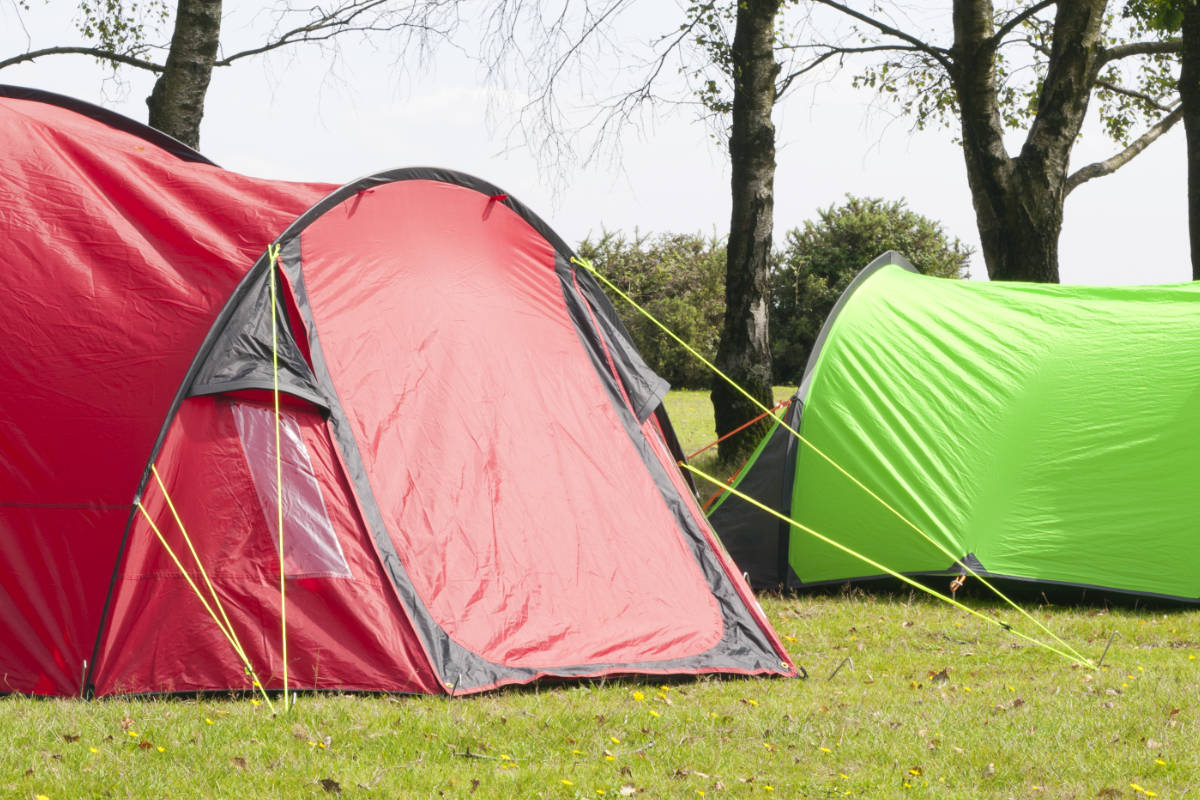
Understanding how these different areas work can make choosing the right tent much easier.
A family staying away for a weekend may need relatively little space, while a week or two on a campsite can make a generous living area and separate bedrooms considerably more valuable.
The key is finding a layout that suits the way your family actually camps.
Sleeping Areas and Bedrooms
Bedrooms are one of the most important areas of any family tent.
Some tents provide one large sleeping compartment, while others divide the sleeping area into two or more separate bedrooms.
Think about who will be sleeping where and the type of beds you intend to use.
Check:
- The number of bedrooms
- Individual bedroom dimensions
- Space for airbeds, mats or camp beds
- Whether bedroom dividers can be removed
- Storage pockets around the sleeping areas
- Ventilation
Don’t rely entirely on the advertised number of berths. A bedroom designed to technically accommodate several people may feel much more restricted once larger airbeds and personal belongings are inside.
Darkened Bedrooms
Darkened sleeping compartments have become a popular feature in family tents.
The fabric is designed to reduce the amount of daylight entering the bedroom, which can be particularly useful during summer when mornings become light very early.
They can be helpful for families with younger children and anyone who prefers not to wake as soon as the sun comes up.
Some designs may also help reduce heat from direct sunlight, although ventilation remains important during warmer weather.
Darkened bedrooms aren’t essential, but they’re a feature many families appreciate once they’ve used them.
The Living Area
For longer camping holidays, the living area can be just as important as the bedrooms.
When the weather is good, you’ll probably spend much of the day outside. When it rains, the living area suddenly becomes the centre of family life.
A good living space can provide room for:
- Camping chairs
- A table
- Games and activities
- Clothing and equipment
- Food storage
- Everyday family belongings
Look at the usable floor space rather than simply the overall dimensions of the tent.
A tent may appear very large on paper, but its layout can determine how much of that space is genuinely practical.
Standing Height
Being able to stand upright may not seem particularly important for a short camping trip, but it makes a considerable difference on longer holidays.
Full or generous standing height makes it easier to:
- Get dressed
- Organise equipment
- Move around the tent
- Set up tables and furniture
- Spend longer periods inside during poor weather
Check the height across the tent rather than only at its highest point.
Some designs provide good headroom throughout much of the living area, while others become considerably lower towards the sides.
Entrance Areas
Family tents may have one or several entrances.
A second entrance can be surprisingly useful, particularly with a larger family. It can improve ventilation and allow people to enter or leave without constantly crossing the main living space.
Consider where the doors are positioned in relation to the bedrooms and living area.
Features worth looking for include:
- Wide family-friendly entrances
- Rain canopies above doors
- Mesh panels
- Multiple access points
- Doors that can be secured open
The right entrance design can make everyday movement around the tent much easier.
Porches and Covered Areas
A porch or covered entrance creates a useful transition between the campsite and the main tent.
It can provide somewhere to leave muddy shoes, wet waterproofs and other outdoor equipment without bringing everything directly into the living area.
Larger covered areas may also provide additional sheltered space for sitting outside when conditions aren’t quite good enough to be completely exposed.
For UK camping, where rain is always a possibility, a useful porch can be particularly valuable.
Storage Space
Family camping involves a surprising amount of equipment.
Clothing, shoes, torches, chargers, toiletries, toys and everyday belongings can quickly make a tent feel cluttered.
Many family tents therefore include storage features such as:
- Internal pockets
- Hanging organisers
- Small storage compartments
- Gear attachment points
Storage pockets are particularly useful for smaller items that otherwise seem to disappear whenever you need them.
Larger boxes or bags can then be kept around the edge of the living area for clothing and bulkier equipment.
The Groundsheet
The groundsheet forms the floor of the tent and is an important part of the living space.
Many modern family tents use a sewn-in groundsheet, creating a more enclosed interior.
This can help reduce:
- Draughts
- Moisture from the ground
- Dirt entering the tent
- Insects getting inside
Other designs use separate or partially attached groundsheets.
Neither arrangement automatically makes a tent unsuitable, but it’s worth understanding the design before buying, particularly if you’re planning longer family holidays.
Ventilation Areas
Ventilation is important in any family tent because several people sleeping and living inside can create condensation.
Good tents usually incorporate ventilation at several points.
These may include:
- Low-level vents
- High-level vents
- Mesh door panels
- Bedroom ventilation
- Adjustable openings
Keeping air moving through the tent can make sleeping areas more comfortable and help reduce condensation.
Don’t block ventilation points with bags or camping furniture when setting up your tent.
Cable Entry Points
Families using an electric hook-up may appreciate a dedicated cable entry point.
This allows an electrical cable to enter the tent without needing to leave a door partially open.
It is a relatively small feature, but it can make the setup neater and more practical if you regularly use electricity on campsites.
Always use suitable camping electrical equipment and follow the campsite’s instructions for electric hook-ups.
Do You Need a Tent Extension?
Some family tents can be expanded using compatible porches, canopies or extensions.
These can provide additional sheltered living or storage space and may be useful for longer holidays.
However, an extension also means:
- More equipment to transport
- Additional pitching time
- A larger campsite pitch
- Additional cost
It can be useful to have the option, but don’t assume you’ll need every available accessory from the beginning.
Use your tent first and you’ll soon discover whether additional space would genuinely improve your family’s camping setup.
Choosing the Right Layout for Your Family
There’s no perfect family tent layout.
A couple with one young child may prefer a relatively compact tent with a large shared bedroom. A family with older children might value separate sleeping compartments much more highly.
For longer holidays, living space may become the priority.
Before buying, think about:
- Who will sleep in each bedroom
- What beds you’ll use
- Where you’ll sit during poor weather
- Where equipment will be stored
- How much standing room you want
- Whether you need a porch
- How you’ll move around the tent
Looking at the tent as a collection of usable areas rather than simply a number of berths makes comparing different models considerably easier.
Related Guides
Final Thoughts
The layout of a family tent can have just as much impact on your holiday as its overall size.
Bedrooms need to provide comfortable sleeping space, while living areas, entrances, porches and storage all contribute to how easy the tent is to use every day.
Think about how your family will actually live inside the tent rather than simply choosing according to the advertised capacity.
A well-designed family tent uses its available space effectively, giving everyone somewhere comfortable to sleep while providing the practical living space that can make family camping much more enjoyable.